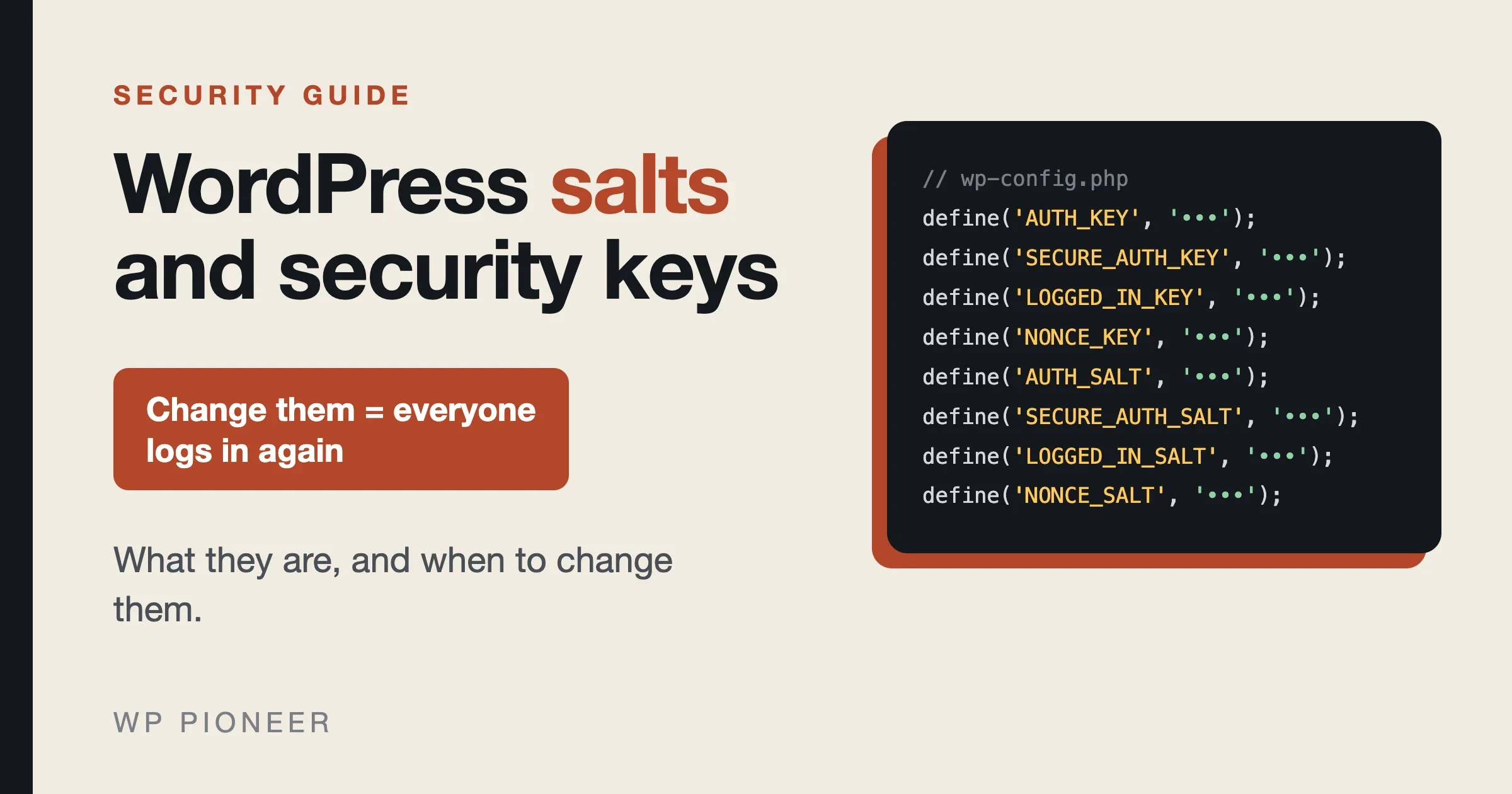
WordPress Salts and Security Keys: What They Are and When to Change Them
WordPress salts and security keys explained: what the eight values do, what changing them does, when to change them and how, from the official docs and generator.
WordPress salts and security keys explained: what the eight values do, what changing them does, when to change them and how, from the official docs and generator.
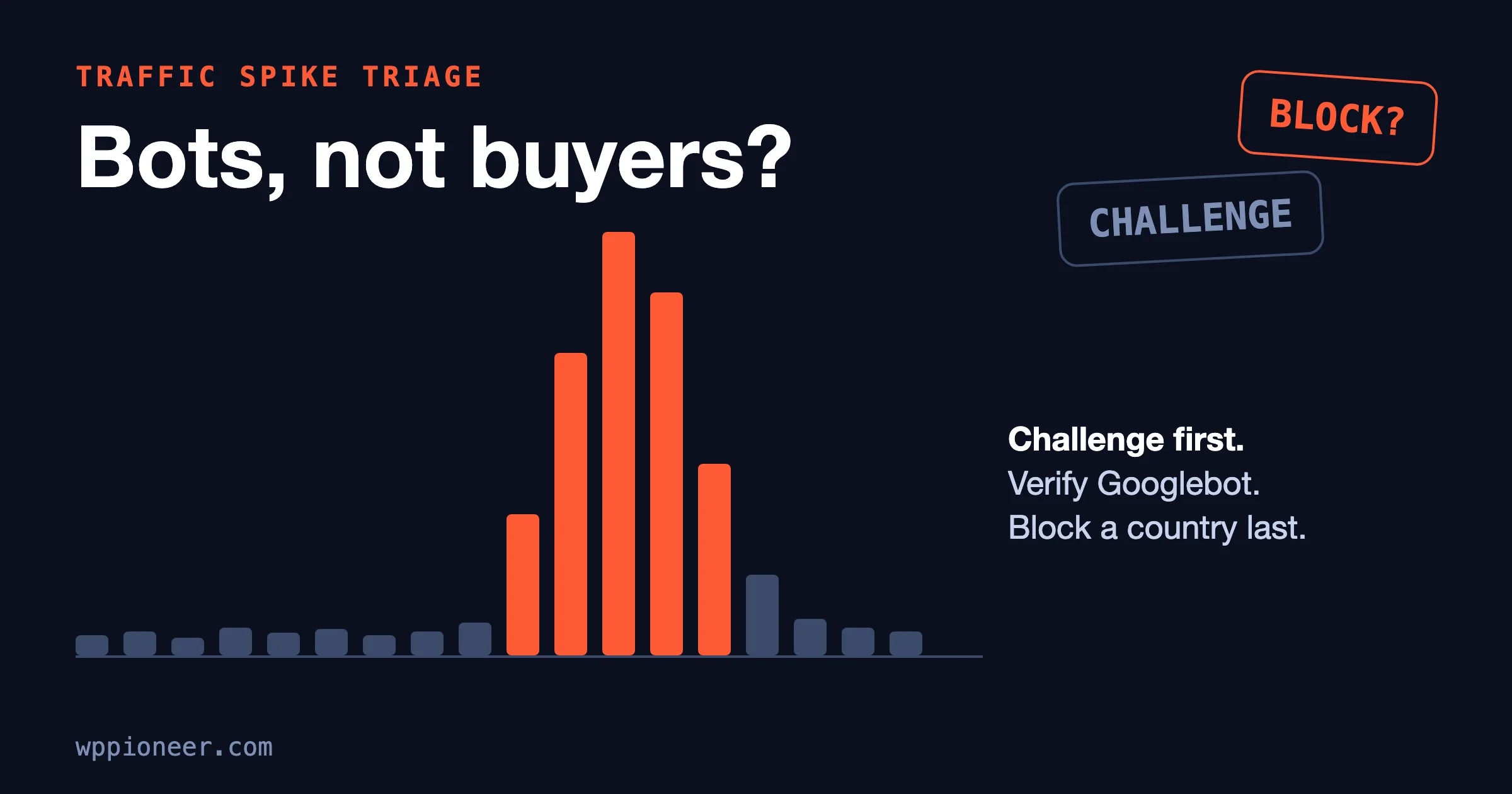
Strange traffic from one country is usually bots. Learn to spot them, verify Googlebot, and use challenges before a country block.
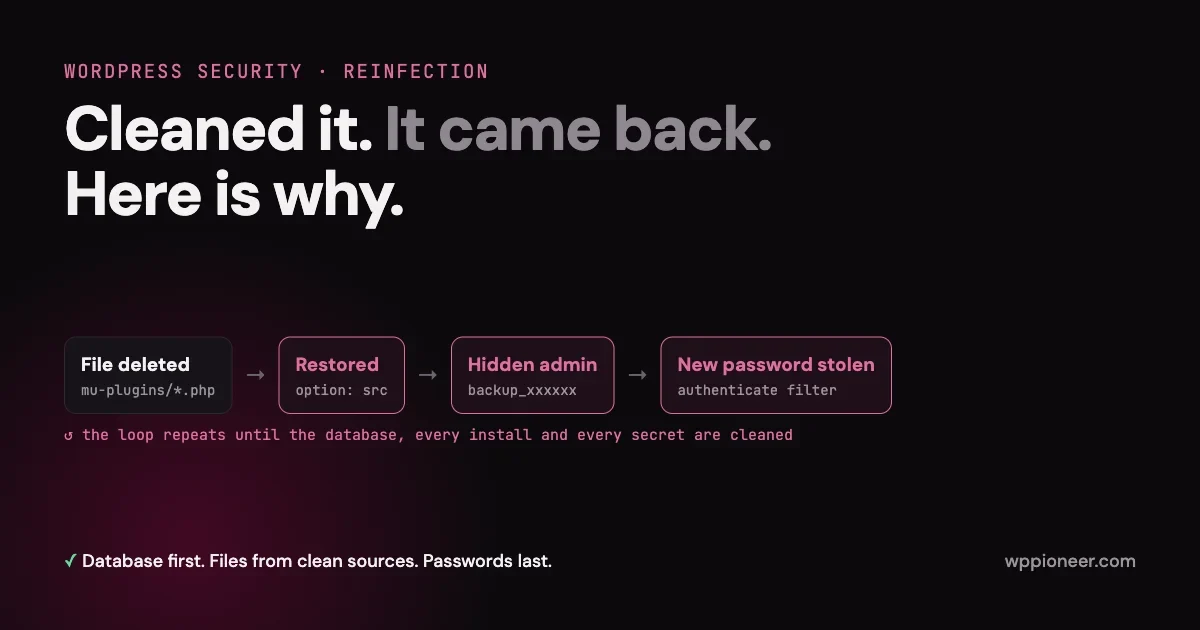
If your WordPress site keeps getting hacked after every cleanup, the infection never fully left. Where reinfecting malware hides (mu-plugins, a copy in the database, hidden admins, stolen passwords, cron, neighbouring sites) and the cleanup order that makes it stay gone.

Passkeys replace your password with your phone or laptop. WordPress has no built-in support yet, so here is what your real options are, what setup looks like, and who should wait.
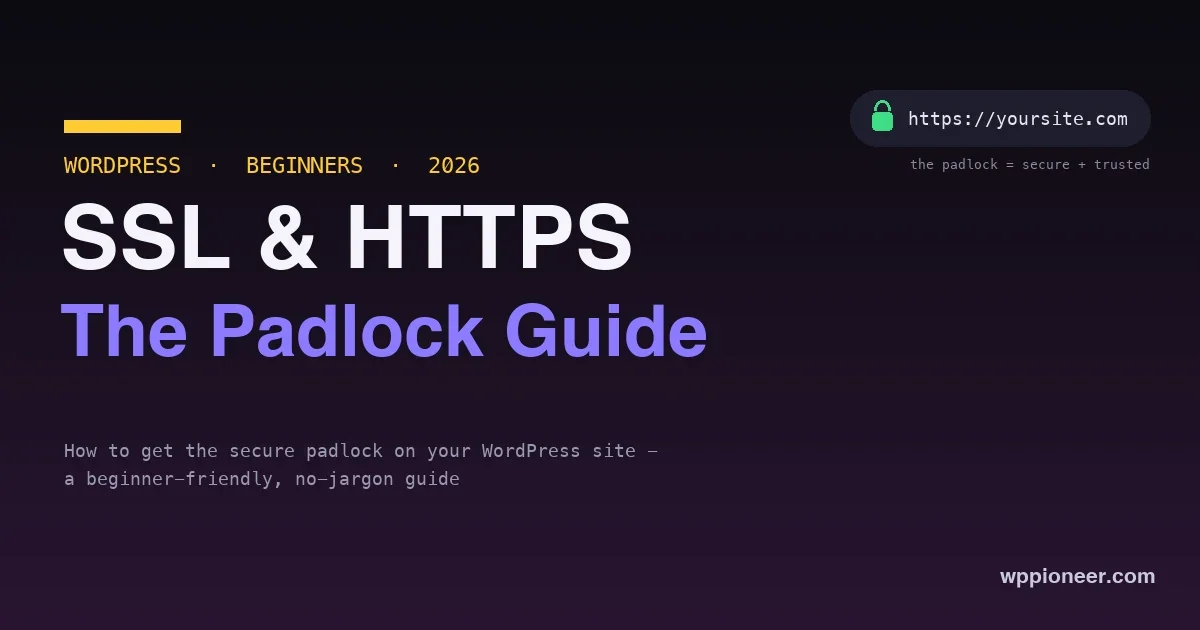
The padlock in the browser affects trust, security, and SEO - and getting it on your WordPress site is usually free and just a few clicks. A no-jargon beginner's guide to SSL and HTTPS: what they are, why they matter, and how to set them up.

A practical guide to WordPress GDPR compliance: what GDPR, CCPA, and PECR require; comparing Complianz, CookieYes, and Cookiebot; building a compliant cookie banner without ruining UX; using WordPress privacy tools; and the real risks of ignoring data protection law.

Learn how to set up two-factor authentication on WordPress using WP 2FA, Two-Factor, and miniOrange plugins. Covers TOTP setup, forcing 2FA for admin roles, backup codes, WooCommerce customer accounts, and emergency access recovery.
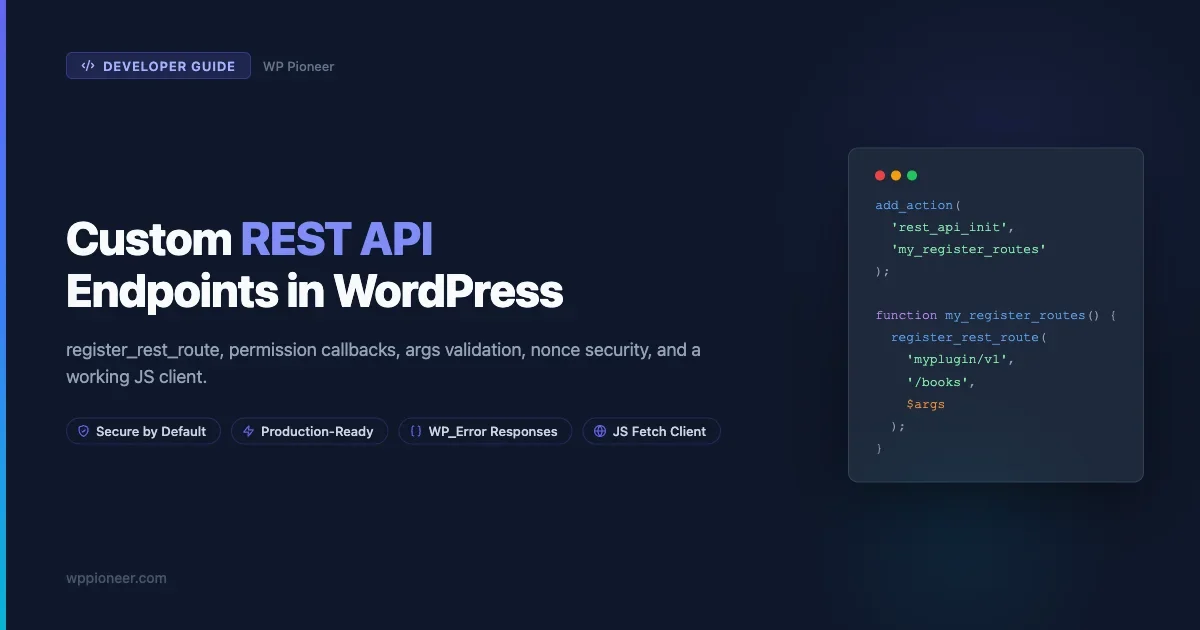
Learn how to create custom REST API endpoints in WordPress using register_rest_route, permission_callback, args validation, sanitization, and nonce security. Includes a working JavaScript fetch client using wpApiSettings nonce, WP_Error responses, JSON Schema, rate limiting, and CORS headers for production-ready WordPress API development.
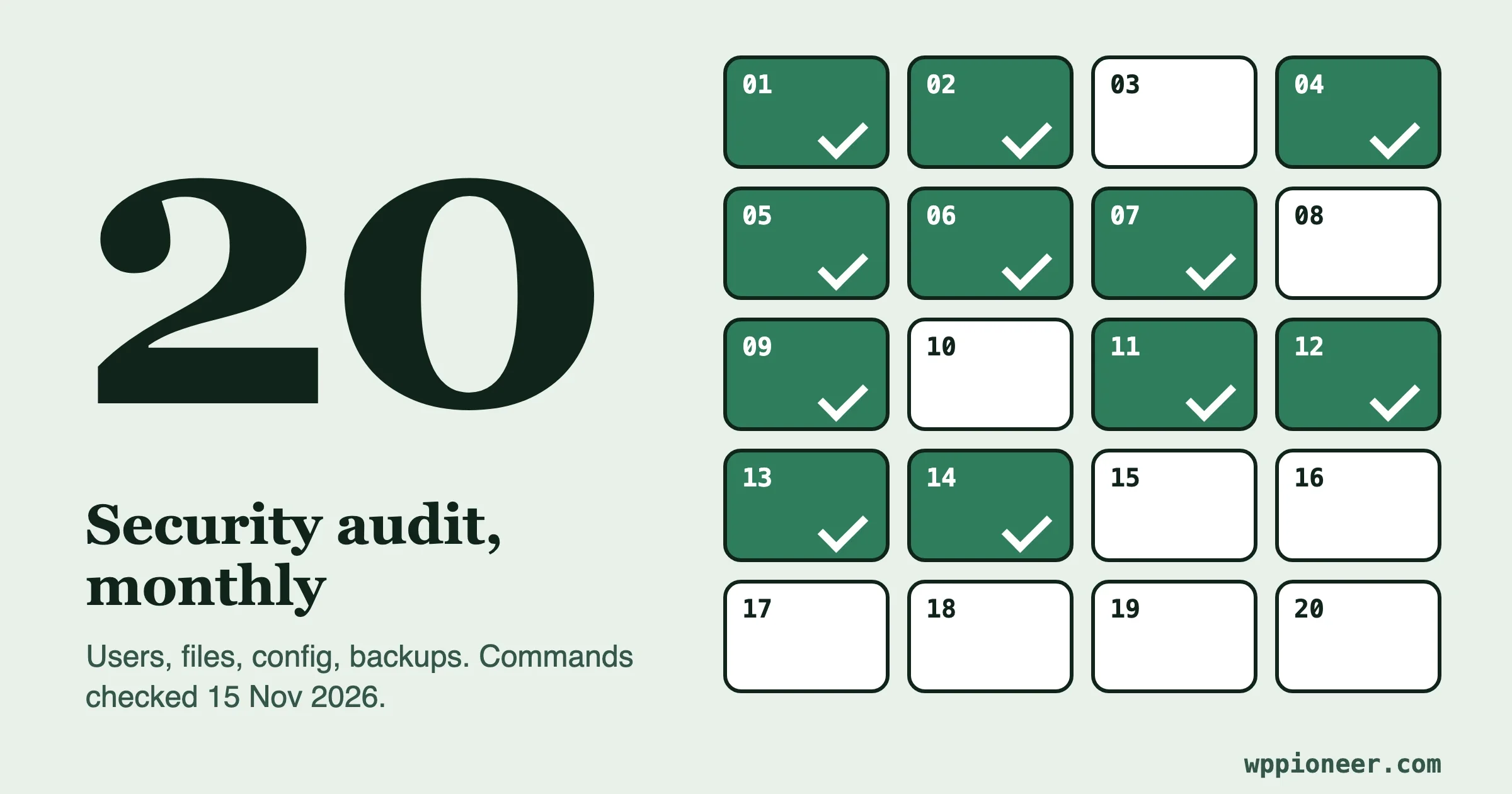
A 20-point WordPress security audit with tested WP-CLI commands: hidden admins, checksums and their limits, permissions, PHP in uploads, salts, backups.
A complete WordPress security hardening checklist covering wp-config.php lockdown, file permissions, security headers, XML-RPC disabling, database security, CSP implementation, and ongoing monitoring practices for 2026.

Choosing between API keys, JWT, and OAuth for WordPress REST API authentication? This developer guide compares all three approaches across security, complexity, and use case fit — with practical implementation guidance for each.

Learn how to check if your WordPress site is secure with this beginner-friendly guide. Understand common risks, use the free WP Vanguard scanner to get your security grade, and follow simple steps to fix issues.