Your Accessibility Work Now Does Two Jobs
AI assistants read the same description of your site that a screen reader reads. The five things that now pay off twice, what WordPress fixes for you on 19 August, and an hour of checks that need no code.
You switched on a few AI features and nothing broke. That is the problem. The six ways AI quietly makes a mess of a site, where it genuinely helps, and an hour-long check that tells you where you stand.
Notification volume is highest for exactly the members you can least afford to annoy. The three settings that stop anyone reaching for the master switch, sensible defaults, why broadcasts need their own opt-out, and a twenty minute audit you can run today.
Forum, Q&A, idea board or activity feed? The format decides whether your community survives. How to sort your last thirty conversations into piles and let the biggest pile choose for you.
Free security plugin tiers get new firewall rules about a month after paying customers. What that means in plain English, how to check where you stand, and the three things that protect you more than the tier does.
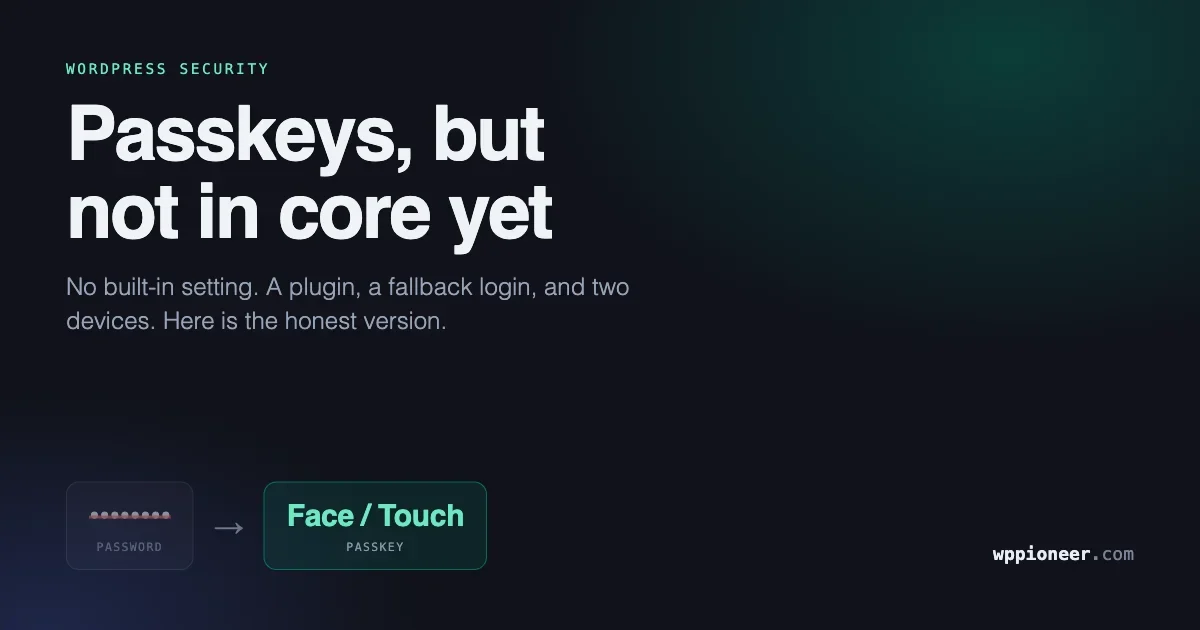
Passkeys replace your password with your phone or laptop. WordPress has no built-in support yet, so here is what your real options are, what setup looks like, and who should wait.
Installing a plugin is a bigger decision than it looks. An active plugin runs with the same access as WordPress itself, with no permission prompt and no sandbox. What that really means, why the number of plugins matters more than which ones, and five questions worth asking before you install anything.
Attackers are actively exploiting WordPress sites that updated late. The plain-English signs that your site has been compromised, the checks anyone can run in ten minutes without touching code, what to do in the first hour, and the mistakes that make things worse.
A growing share of people ask an assistant instead of searching and clicking. What is actually happening, which of your pages are exposed, the handful of changes worth making, and which advice is someone selling you something.
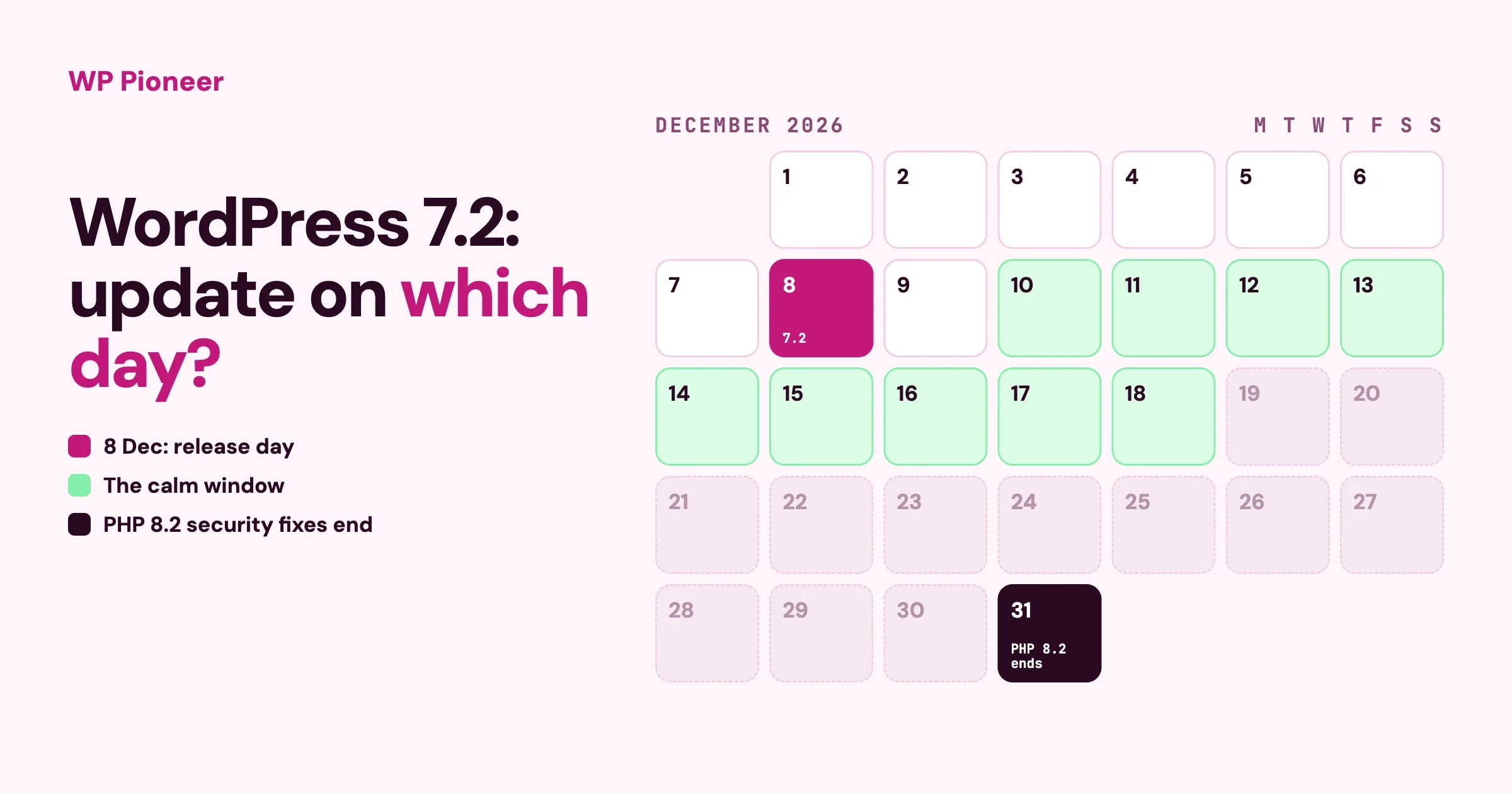
WordPress 7.1 ships on 19 August. What is actually in it for site owners, why a major release deserves a wait when a security release does not, and a thirty minute preparation routine that prevents most update problems.
WordPress shipped an emergency security release and attack code went public a day later. How to check your version, update in two minutes, and tell whether anything happened before you got there. No command line needed.
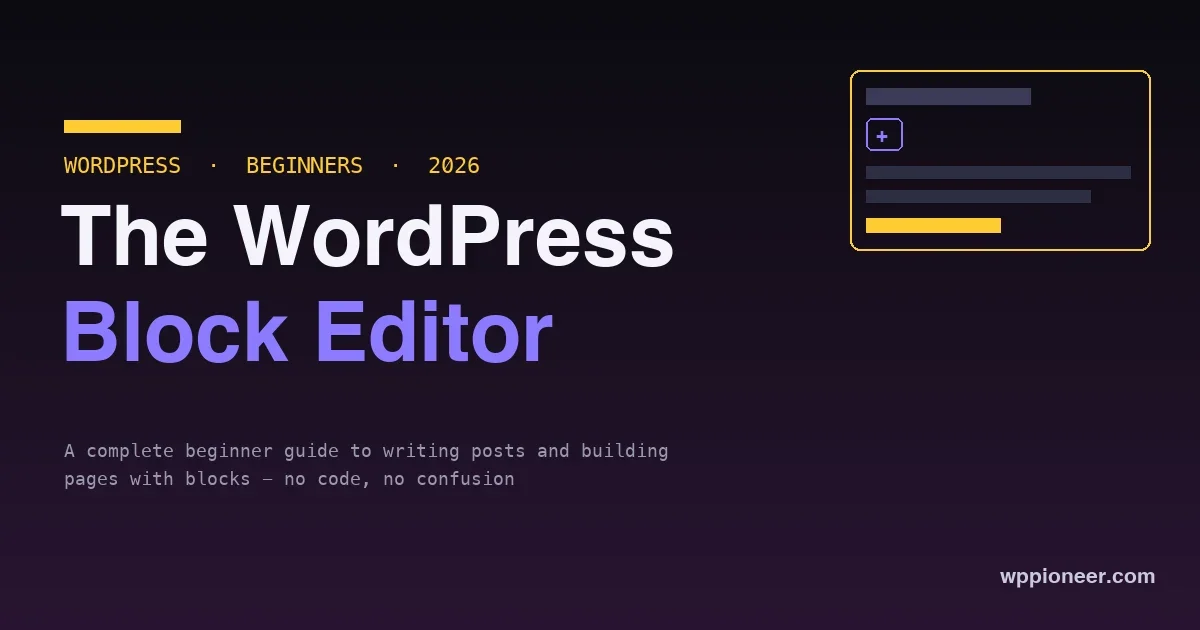
The WordPress block editor looks unfamiliar for five minutes, then becomes a pleasant, no-code way to create content. A complete beginner's guide: what blocks are, how to add and arrange them, the blocks you will use most, and how to publish.
The padlock in the browser affects trust, security, and SEO - and getting it on your WordPress site is usually free and just a few clicks. A no-jargon beginner's guide to SSL and HTTPS: what they are, why they matter, and how to set them up.
A good WordPress site runs on a small, deliberate set of plugins, not a big pile. The handful of plugin types every beginner genuinely needs - SEO, caching, backup, security, forms, anti-spam - the leaders in each, and what to skip.
Starting a WordPress blog is far simpler than it looks. A complete, no-code beginner's guide - from picking a topic to publishing your first post - covering hosting, WordPress install, themes, plugins, and the basics that matter, all in an afternoon.